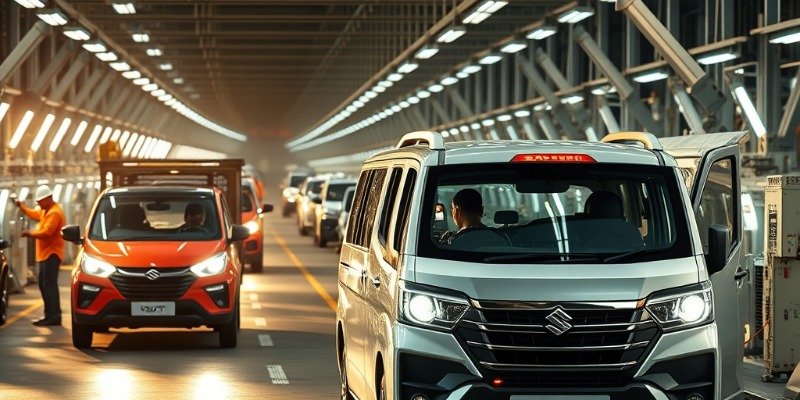
Maruti Suzuki's leadership has projected that the Indian automobile industry could create 6.5 crore additional jobs by 2026 lifting the sector's GDP contribution to over 12 percent from the current 7.1 percent. This ambition is backed by massive investment plans capacity expansion and a shift toward multi pathway technologies including electric vehicles. The projection was first articulated by Maruti Suzuki managing director and chief executive Kenichi Ayukawa in 2016 when he stated the industry wanted to create nearly 65 million additional jobs by 2026. At that time the sector employed around 3.2 crore people directly and indirectly. The vision also included a target of over 12 percent contribution to the country's GDP within a decade.
The 6.5 Crore Jobs Target and Its Origins
The 6.5 crore figure comes from a statement made by Kenichi Ayukawa at an industry event in 2016. He said the automobile industry had invested around 35 billion dollars in the previous ten years and aimed to be among the top three global automobile markets. The strategy focused on creating safe efficient and environment friendly vehicles. Ayukawa also emphasized the need for robust licensing norms and enforcement of road safety rules to achieve a more purposeful impact on society. He called for an industry social responsibility plan covering village development skill training environment protection and road safety.
Investment and Capacity Expansion Driving Employment
Maruti Suzuki alone has committed around ₹77,500 crore between financial years 2027 and 2031 for capacity expansion research and development and operating efficiency improvements. This is part of a broader wave where major automakers have announced nearly ₹3 lakh crore in investments across different timelines. Suzuki's global strategy 2026 targets around 4 million units annual production capacity in India by financial year 2030. The plan includes a 50 percent reduction in vehicle development lead time a 30 percent improvement in development efficiency and a 50 percent improvement in manufacturing efficiency by 2030. These expansions are expected to generate employment across manufacturing engineering suppliers CNC machining automation and industrial technology.
Manufacturing Roles and Skill Development
Maruti Suzuki's manufacturing plants in Haryana at Gurugram Manesar and Rohtak are major employment hubs. The company recruits for roles such as production associates mechanical technicians electrical maintenance technicians quality inspectors paint shop technicians logistics handlers junior engineers safety officers and plant administration executives. Indicative monthly salaries range from ₹18,000 for entry level production associates to ₹60,000 for junior engineers. The Maruti Suzuki Training Academy established in 2012 builds capability across the value chain supporting employees dealers vendors and partners through behavioral technical and functional skill development. The company's four pillars of better opportunities learning and development care and love and maximize potential shape its workplace culture.
Technology Roadmap and Future Mobility Jobs
Suzuki's technology roadmap for 2030 includes Series HEV with SuperEneCharge direct injection turbo engines S Light and SDV Lite platforms. The company is also expanding biogas initiatives and local resource circulation in India. On the electric vehicle front Maruti Suzuki has achieved nearly 95 percent localisation in internal combustion engine vehicles but the battery pack for its e Vitara comes from BYD. The company plans to launch a three row electric MPV code named YMC around early 2027 with 49 kilowatt hour and 61 kilowatt hour battery options offering over 500 kilometers range. India's battery cell manufacturing capacity under the production linked incentive scheme remains limited with only 1.4 gigawatt hours of the 40 gigawatt hours awarded operational as of mid 2026. Building a domestic cell supply chain is critical for cost competitiveness and job creation in the EV value chain.
Export Hub Ambitions and Ancillary Ecosystem
India is emerging as a stronger manufacturing and export hub for global markets. Maruti Suzuki leads passenger vehicle exports and the broader auto ancillary ecosystem is set to grow with increasing local sourcing. Supplier parks around manufacturing clusters create additional employment in component manufacturing logistics and services. The presence of corporate offices commercial real estate and organized residential townships near plants supports a stable industrial employment ecosystem.
Workforce Implications and Career Pathways
The job creation spans multiple skill levels from ITI certificate holders for shop floor roles to diploma and engineering graduates for technical and supervisory positions. Career progression paths exist from production associate to senior operator to supervisor and from junior engineer to planning quality assurance or plant management roles. Experience in large scale automotive manufacturing is transferable across original equipment manufacturers component makers and industrial operations. The company also hires graduate engineer trainees and post graduate engineer trainees for its tool and die division with selections through online tests and interviews. Candidates need minimum 65 percent marks in tenth twelfth and undergraduate engineering with flexibility to relocate to Gurugram Manesar Rohtak or other locations.
The 6.5 crore jobs target reflects the scale of India's automotive transformation. While the timeline is ambitious the combination of investment policy support and technology shift creates a realistic pathway for massive employment generation. For job seekers the sector offers structured careers from factory floor to research and development with upskilling opportunities through company academies and government initiatives.